The Universe in Verse 2018
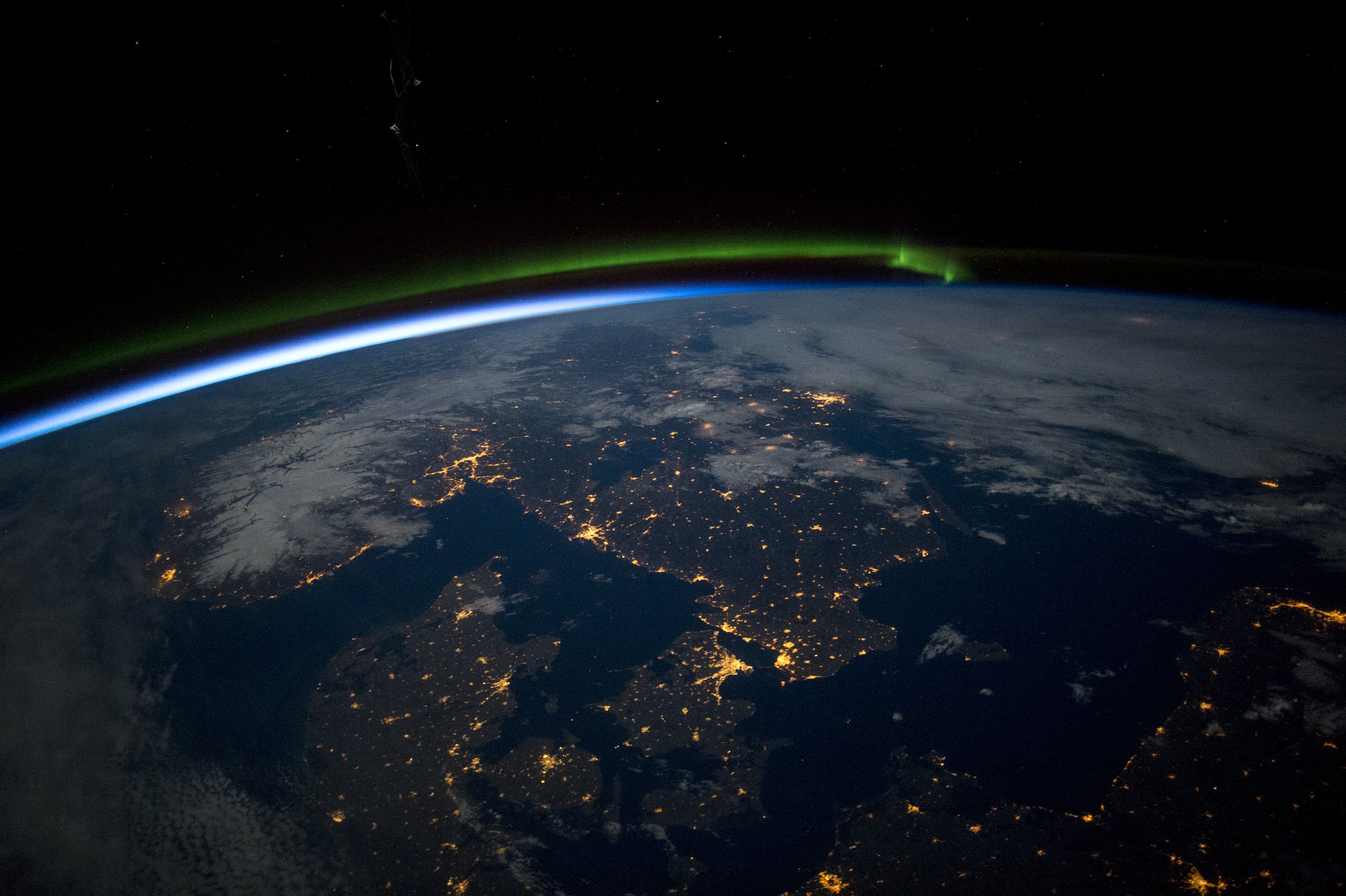
Scandinavian night, image courtesy of NASA
With Earth Day quickly approaching (April 22nd), thoughts worldwide are coalescing around the state of this blue planet and our collective efforts to rally the energies needed for a dramatic course correction. In these uncertain times, inspiration can be gleaned from last year’s event, The Universe in Verse, an evening of poetry readings and stories inspired by science, celebrating the joys of the natural world, both the beauty of it and the challenges we face in maintaining a healthy biosphere and practicing sustainability in our everyday lives.
The following video covers the entire event.
This year’s event promises to be equally rewarding. For more details and a roster of the participants in this annual benefit, visit the Brain Pickings microsite.
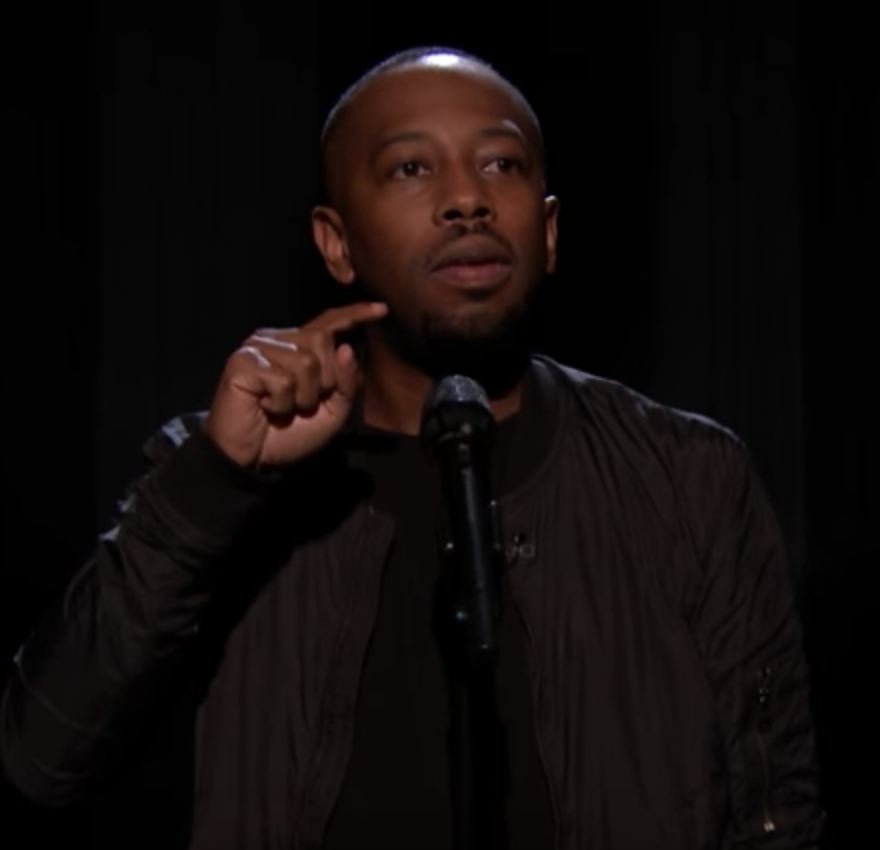
"Complainers," a Spoken-Word Poem by Rudy Francisco
Performed on The Tonight Show on 02MAR18, this spoken-word poem by Rudy Francisco fits the classic definition of this genre. As described by the Poetry Foundation, spoken word often include a blend of elements:
Spoken word is a broad designation for poetry intended for performance. Though some spoken word poetry may also be published on the page, the genre has its roots in oral traditions and performance. Spoken word can encompass or contain elements of rap, hip-hop, storytelling, theater, and jazz, rock, blues, and folk music. Characterized by rhyme, repetition, improvisation, and word play, spoken word poems frequently refer to issues of social justice, politics, race, and community. Related to slam poetry, spoken word may draw on music, sound, dance, or other kinds of performance to connect with audiences.
Like many of the poems from the Beat Generation, the performance adds an extra dimension of meaning and reading them aloud brings energy and passion to the words. Have a listen. . .
Dickens and the Art of Serialization
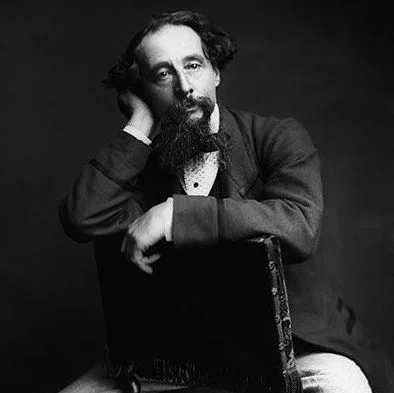
During an impressive period of literary fame in the Victorian era, Charles Dickens not only produced a number of novels that have survived the test of time, but he also created a wide body of work in short form pieces, including numerous novellas and short stories. Dealing with the social issues of the time with stark realism, often from the viewpoint of the oppressed, Dickens established a storytelling model that has influenced many of today's top authors.
Every one of Dickens novels was originally released in serialized form, beginning with his first novel, The Pickwick Papers, through his final uncompleted work, The Mystery of Edward Drood.
As described by Professor Joel J. Brattin, writing for Project Boz:
Publishing his novels in serial form expanded Dickens’s readership, as more people could afford to buy fiction on the installment plan; publishers, too, liked the idea, as it allowed them to increase sales and to offer advertisements in the serial parts. And Dickens enjoyed the intimacy with his audience that serialization provided.
This idea could adapt well to audio narration, providing installments of a longer work over a period of weeks or months, building interest and momentum in much the same way as episodic shows on Netflix or Starz keep the audience coming back to see what happens next to their favorite characters.
The following animation, scripted by Educator Iseult Gillespie, offers insights into Dickens' methods and unique storytelling approach.
The animation was produced by the TED-ed, a coalition of artists and educators who are building an educational community using Patreon as a platform and funding source.
Stopping by Woods on a Snowy Evening
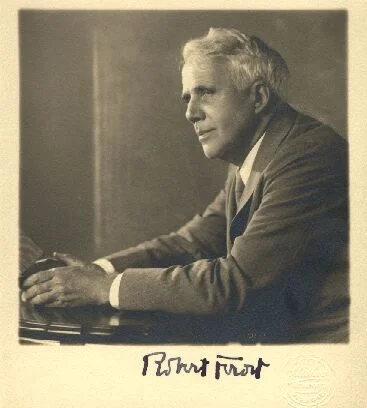
The classic poem "Stopping by Woods on a Snowy Evening" was penned by Robert Frost while he was living in a farmhouse in Shaftsbury, Vermont. Today, his home, converted to a museum that is administered by Bennington College, can be toured to recapture a sense of Frost's life in rural Vermont
As the snow falls here in Vermont on Christmas Day, it's worth revisiting Frost's iconic work, a narrative version by the poet himself.
Zapple, Brautigan, and the Spoken Word
The creative energies of The Beatles weren't just limited to their musical innovations. The group shared an attitude of experimentation in their business pursuits, as well as their art. Frequently, new side businesses were spun out of these interests and McCartney, once they had become well established as a band, was the driving force behind many of these enterprises.
One of the first such ventures, launched by the fledging Apple Corp, was the Apple shop, designed to be a place where "beautiful people can buy beautiful things." The short-run lifespan of the shop, located on the corner of Baker Street and Paddington Street, Marylebone, London, was little more than six months—December 1967 to July 1968—but for a while it was a gathering spot for many luminaries of the music scene.
Another lesser known business spin-off was Zapple, which set out to produce avant garde and spoken words records. Established by McCartney's good friend, Barry Miles, Zapple only managed to release two albums, one by Lennon and Ono and the other by Harrison, but some of the recordings in the queue appeared promising.
Of particular interest, and also initially unreleased, was a 55-minute recording by author RIchard Brautigan reading portions of his stories, poems, and novels. But Allen Klein shut down the operation in June 1969, a mere 4 months after its inception. The Brautigan recording survives, released later by Harvest Records in the US, and can be listened to in full on Discogs. Or, if you're so inclined, you can purchase a vinyl version on Amazon—currently $289.02—or a more reasonable Audio CD for $11.99. This was Brautigan's first and only recording and definitely worth a listen.
A glimmering of the spoken word possibilities of the Zapple label can be seen in the list of recordings either half-completed or scheduled, including Lawrence Ferlinghetti, Michael McClure, Lenny Bruce, and Ken Kesey (offering his impressions of London).
Re-energizing short fiction
With this introductory post, we're venturing into new territory on the web: a site devoted to short stories and other kinds of short content scaled for listening or reading in anywhere from ten minutes to an hour. That's not to say you can't find audio short stories on the net, but they tend to be submerged in venues in which the audiobook is the star attraction, unheralded siblings in a very large family, forced to sit at the child's table beneath the shadows of the grown-ups. We'd like to turn that equation around. Here the short story is on display, in the spotlight, and though you may find a novella or two in the mix, we're more focused on the kinds of works that are well suited to those times when you want to relax and spend half an hour or so in another world, with memorable characters, diverse settings, and thoughtful ideas to spark your imagination or inspire your own creativity.
We also plan to cater to our own tastes in genres of particular interest, in the belief that by sharing our own passions we'll reach those with similar passions and interests. Speculative fiction—from dystopias to space operas—will be a focus. Mysteries, fantasies, brooding works of horror (with a notable lack of chainsaws and dismemberings), and imaginative fiction that doesn't quite fit into a single category—all of these will have a prominent seat at the table (yes, the adult's table). We'll also seek out and produce the lost gems of prior eras, from the public domain, and bring them new life with audio narration. And, we also plan to create alliances with other like-minded sites that focus on certain specific genres. More news on that front to come. . .
As a kid, I immersed myself in the speculative works of the masters of that era: Ray Bradbury, Arthur C. Clarke, Robert Silverberg, Theodore Sturgeon, Samuel R. Delany, Fredric Brown, Fritz Leiber, Kurt Vonnegut, and others (it's a long list—it was a fertile, productive era). Today, we have many unique, tremendous talents at work carrying on the tradition: Neil Gaiman, Neal Stephenson, China Miéville, Richard K. Morgan, T. Coraghessan Boyle, David Mitchell, Audrey Niffenegger, William Gibson, and Margaret Atwood, to name a few. Plan on hearing a few audio interviews with writers willing to share a story or two.
The site, as you can see, is in its infancy, but, if you love short fiction, expect to be intrigued and entertained in the weeks and months to come. In the meantime, enjoy any of the free audio stories that have been posted.
"Science fiction is the most important literature in the history of the world, because it's the history of ideas, the history of our civilization birthing itself. ...Science fiction is central to everything we've ever done, and people who make fun of science fiction writers don't know what they're talking about."
- Ray Bradbury